Delay in the Iran-Oman shipping route agreement has led to a rise in crude oil prices, but petrol and diesel rates in India remain stable. Get the full details.
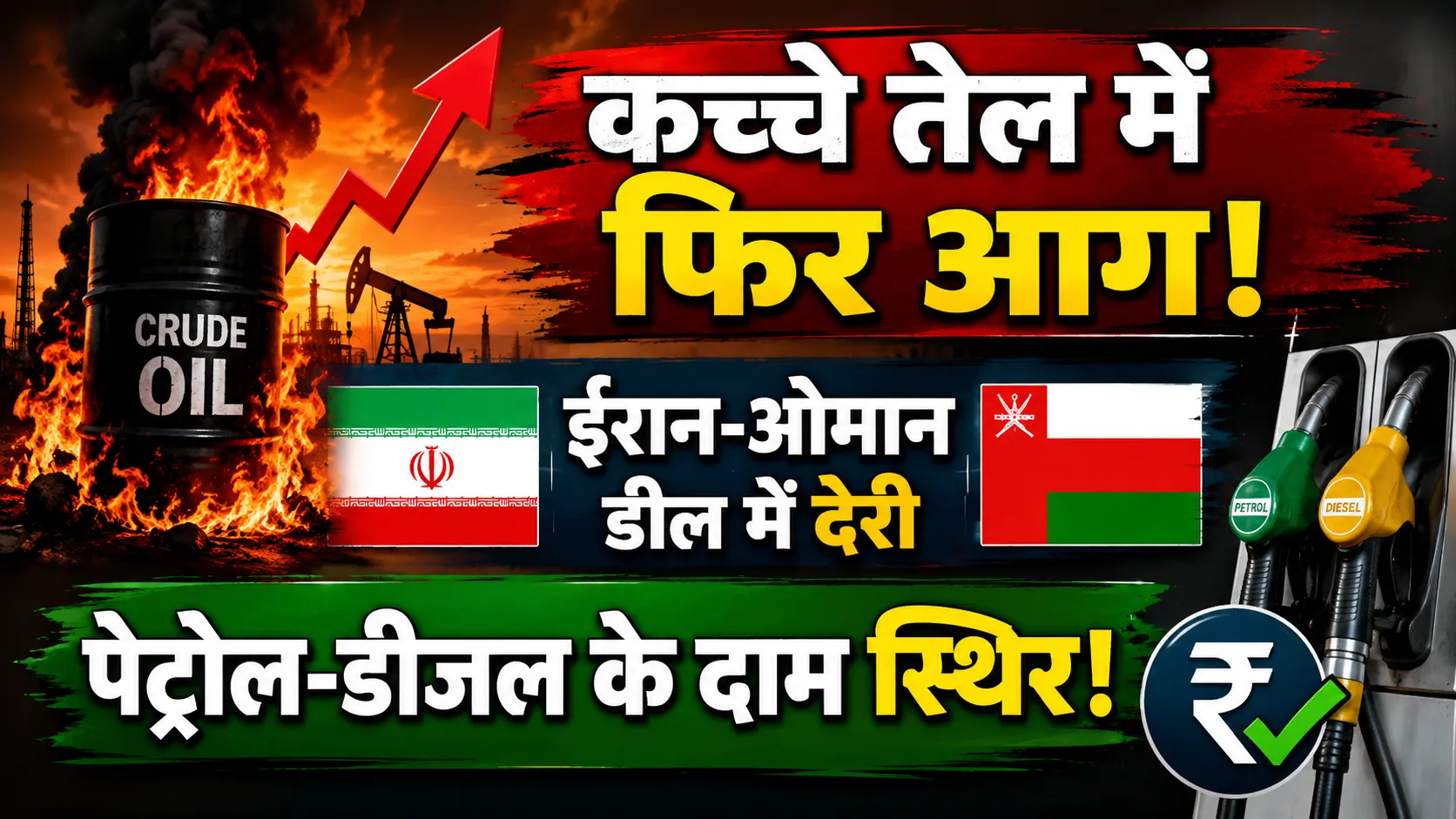
The delay in the agreement between Iran and Oman to reopen the Strait of Hormuz is clearly impacting the global crude oil market. On Monday, crude oil prices saw a rise, creating an atmosphere of concern in the market.
Iran has stated that talks to create a new shipping route between the two countries are in the final stages. However, it also clarified that the United States still needs to fulfill some more conditions. Amidst this global turmoil, government fuel retailers in India have kept the prices of petrol and diesel stable.
On Monday, the price of Brent crude in the international market rose by 91 cents, or 1.09%, to $84.46 per barrel.
Meanwhile, the price of US West Texas Intermediate (WTI) crude increased by 61 cents, or 0.78%, to $78.79 per barrel. This increase follows a drop of more than 7% last week.
Petrol-Diesel Prices in India on August 10
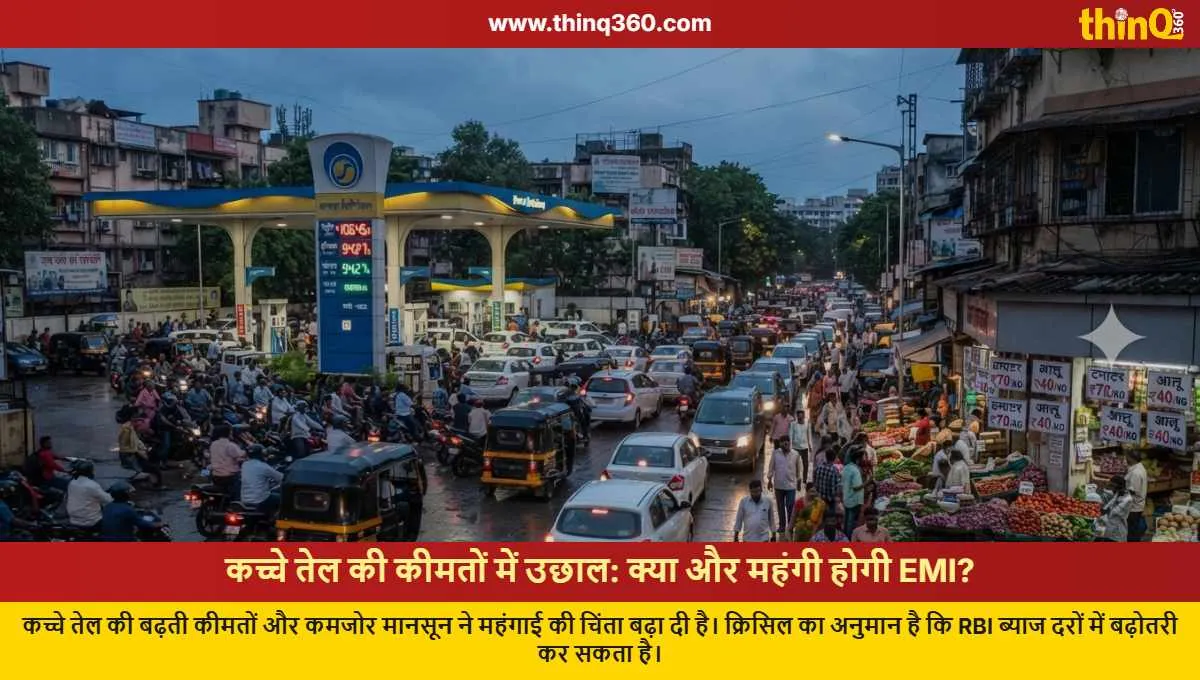
In India, state-owned oil companies have provided relief to the public by not changing the prices of petrol and diesel. The last time prices were changed by the oil companies was on May 25. Although prices are updated every morning at 6 AM, rates in major cities are currently stable.
Thiruvananthapuram: Petrol ₹115.49, Diesel ₹104.40
Why is There Tension and Concern in the Market?
According to a Bloomberg report, an atmosphere of uncertainty prevails in the market.
Tim Waterer, Chief Market Analyst at KCM Trade, says, "Investors are waiting for a concrete outcome as they watch the negotiations sometimes move forward and sometimes stall. Such as verified tanker movements or the signing of a formal agreement."
Meanwhile, the risk of renewed conflict in the Middle East remains. Iran-backed Houthi fighters in Yemen have claimed responsibility for an attack on Saudi Arabia's Jizan refinery, further escalating tensions.
Iran's Key Conditions for the Agreement
Iran has laid down some key conditions for the complete opening of the Strait of Hormuz. These include ending the US naval blockade, lifting sanctions against Iran, and providing compensation for damages from the conflict.
The US claims to be involved in talks regarding the management of Hormuz, but Iran has flatly denied this claim.

 जोगेन्द्र सिंह शेखावत