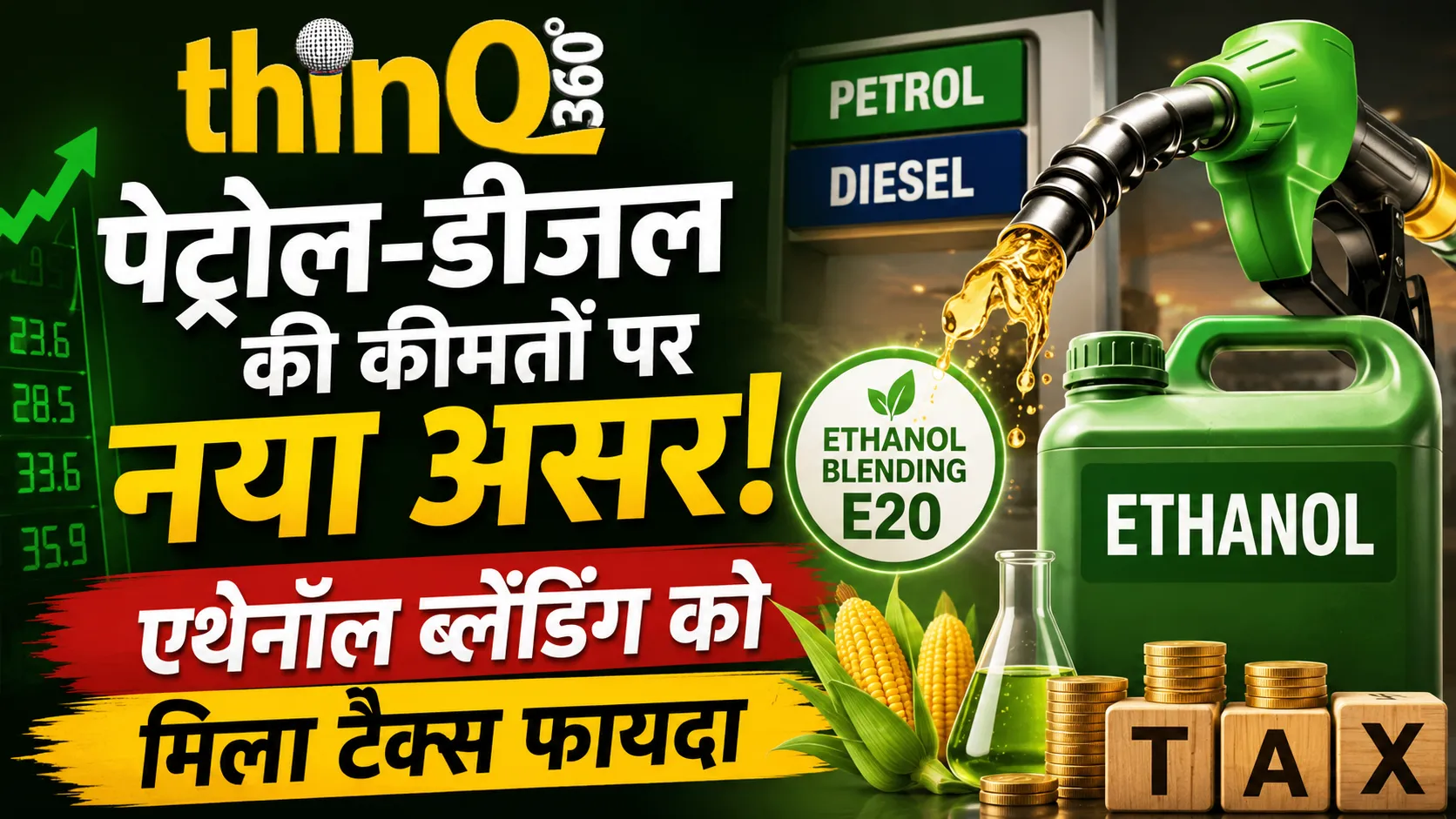
Excise duty is now zero on petrol blended with 22% to 30% ethanol.
The government aims to reduce dependency on crude oil.
The E20 target has already been achieved ahead of schedule.
This step will accelerate the commercial use of biofuels.
New Delhi | The Government of India has taken a major step to promote ethanol blending in petrol. According to a notification issued by the Department of Revenue, the excise duty on petrol blended with 22% to 30% ethanol has been made zero.
Big Boost to Ethanol Blending
This decision by the government is being considered a significant step towards the country's energy security and environmental protection. This exemption will directly benefit fuels with a higher ethanol content.
Under the notification, excise duty has been completely waived for fuels blended with 22%, 25%, 27%, and 30% ethanol. This exemption will apply with certain conditions.
The condition is that the correct duty must have been paid on the petrol being used, and the applicable GST on the ethanol used in the blend must also have been paid.
Commercial Use and Self-Reliance
This move is expected to accelerate the commercial use of ethanol-blended fuel. It will also reduce India's dependence on crude oil imports, thereby saving foreign exchange.
Experts believe that this decision will help make India self-reliant in the energy sector. Additionally, it will also benefit farmers as ethanol is produced from agricultural products.
This step is a significant milestone towards making India self-reliant in the energy sector and reducing carbon emissions.
The Road Beyond E20
This step by the government comes at a time when India has already achieved the target of 20% ethanol blending in petrol (E20) ahead of schedule.
Now, the government is moving beyond E20 to encourage fuels with higher ethanol blends. This will increase the demand for domestically produced biofuels and reduce the volume of imported crude oil.
Ethanol is a cleaner fuel, and its combustion results in lower carbon emissions. This will also help in controlling air pollution.
Impact of the Global Market
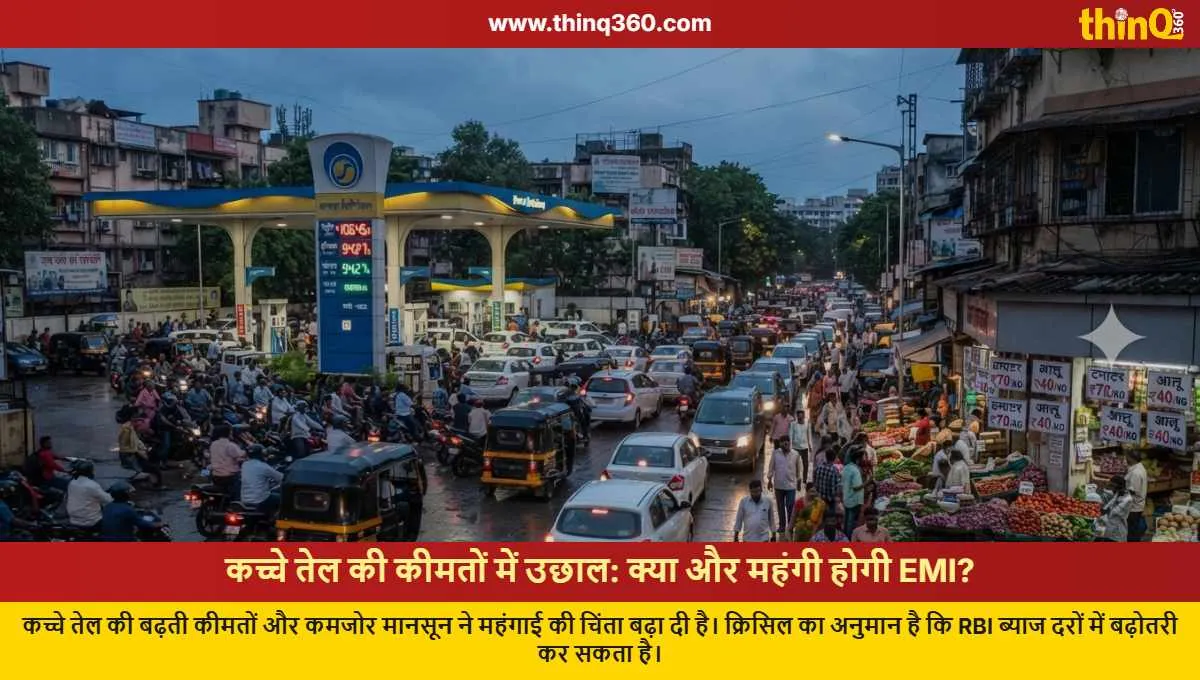
However, this relief comes at a time when crude oil prices are rising in the global market due to tensions in the Middle East. Brent crude has crossed $95 per barrel.
The impact of this global tension may also be seen on petrol and diesel prices in India. This government move could help mitigate the impact of increased prices to some extent.
Overall, the decision to remove excise duty on ethanol-blended petrol is a forward-looking step. It will not only strengthen the country's economy but also lay the foundation for a cleaner and greener future.

 जोगेन्द्र सिंह शेखावत