Being Free is UPI's Biggest Strength
Grover believes that UPI's greatest strength is that it is free. He warned that if charges are applied to large payments, customers and merchants might revert to cash.
This could, on one hand, be a setback to the government's efforts to promote digital payments. On the other hand, the cost of handling cash for banks and businesses could also increase.
His comments came after a government notification that prohibits direct or indirect charges on UPI transactions up to ₹2,000 and RuPay debit card payments.
Grover Questions the ₹2,000 Limit
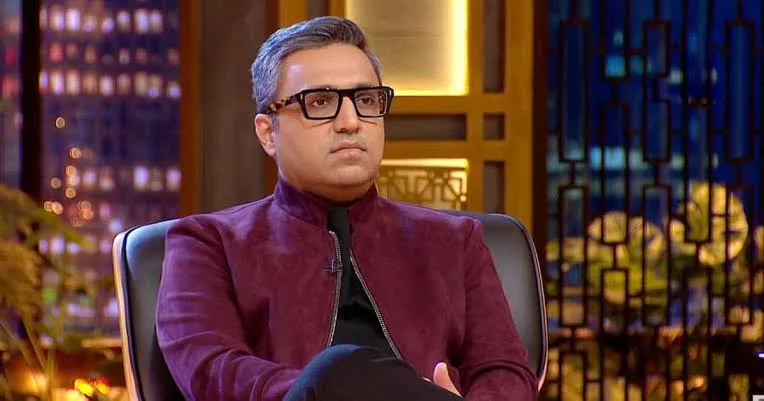
Ashneer Grover has also raised several serious questions about this ₹2,000 limit. He claims that while transactions above ₹2,000 may be fewer in number, they constitute a significant portion of the total value of UPI transactions.
A Large Share of Transaction Value
Citing data, he said that transactions above ₹2,000 account for about 4% of the total number but contribute to nearly 66% of the total value.
According to him, the impact of discussing MDR on this segment could be substantial. Grover questioned why there is a need to reintroduce fees for a payment system that has so rapidly advanced digital payments in India.
Free UPI is the real UPI. If fees are charged on payments, its popularity could be affected.
Customers Might Revert to Cash if Charges are Imposed
Explaining the impact of a potential MDR, Grover said that shopkeepers might pass this cost on to customers.
For example, if a fee is charged on a large UPI payment, a merchant might ask the customer for an additional amount.
What Could Be the Potential Impacts?
- Boost to Cash: Another possibility is that customers might be asked to pay in cash instead of UPI. In such a scenario, cash transactions could increase again, replacing digital payments.
- Burden on Banks: According to Grover, if cash usage increases, banks will have to handle more cash. This could lead to more ATMs, increased cash management, and related costs.
- Impact on Savings: This means that some of the money saved from UPI charges might be spent on handling cash on the other side.
The Option of Splitting Payments into Smaller Parts
Grover pointed to another potential situation. If MDR is applied to large UPI payments, people might split the amount into smaller transactions.
For example, instead of making a single payment of ₹12,000, a customer could make several smaller UPI payments. This would increase the number of transactions in the system, but it could also be an attempt to avoid charges.
According to Grover, a typical payment at a shop is not so complex as to justify placing an additional burden on customers.

 बलजीत सिंह शेखावत