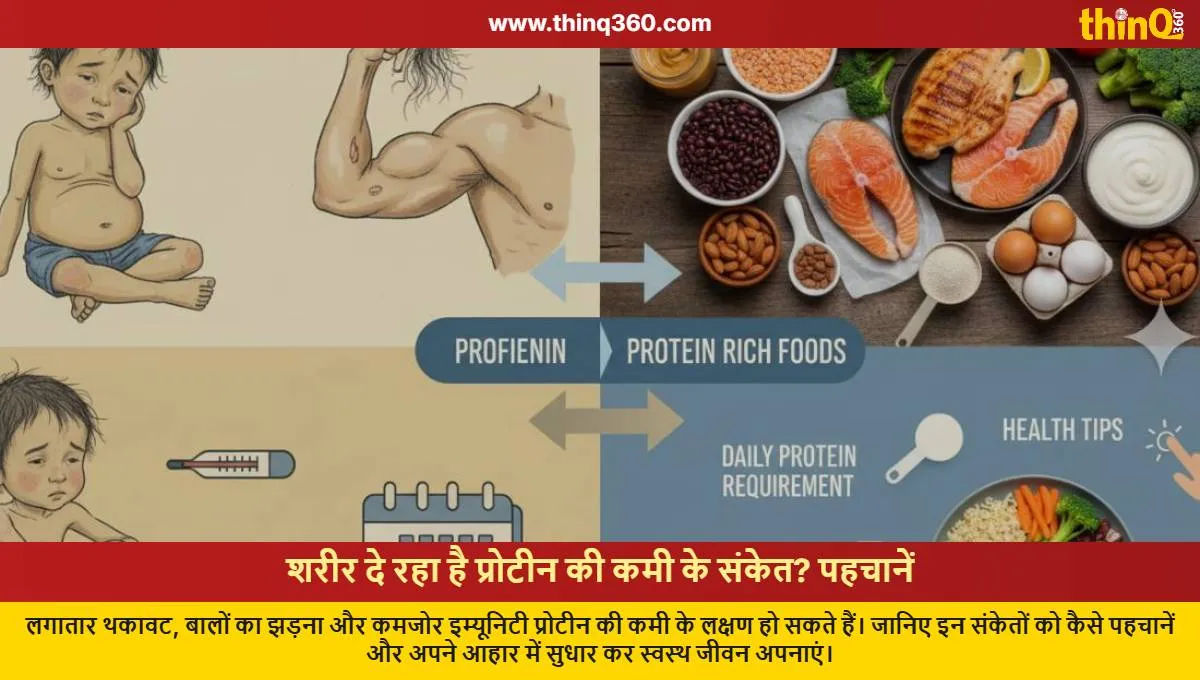
Protein is an essential nutrient for building body tissues, hormones, and enzymes.
Its deficiency leads to symptoms like physical weakness, hair loss, and frequent illness.
An average person needs about 0.8 grams of protein per kilogram of body weight.
Good sources of protein include eggs, chicken, fish, dairy products, lentils, and nuts.
New Delhi | Our body needs many nutrients to stay healthy, among which protein is one of the most important. It acts as the building block of the body. Protein deficiency can lead to several serious health problems, which people often ignore.
What is Protein Deficiency?
Protein is found in every cell of the body and is essential for building muscles, bones, skin, and hair.
When our diet does not include enough protein, the body cannot meet its needs. This condition is called protein deficiency or hypoproteinemia.
You can determine your daily protein intake by multiplying your weight (in pounds) by 0.36.
For example, if a 50-year-old woman weighs 140 pounds (about 63.5 kg) and does not exercise much, she would need about 53 grams of protein per day.
According to a health expert, 'Including protein in a balanced diet is extremely important not only for muscles but also for overall health and the immune system.'
When there is a protein deficiency, the body starts showing several signs. It is very important to recognize these symptoms in time.
1. Effect on nails and hair
Protein is also very important from a beauty perspective. Its deficiency can make hair dry, lifeless, thin, and cause it to fall out. Nails also become weak and brittle.
There can be several reasons for protein deficiency, with an unbalanced diet being the most prominent.
Malnutrition and unbalanced diet
In developing countries, the biggest cause of protein deficiency is malnutrition, where the diet lacks the required amount of protein.
Kidney problems
Kidney failure can also cause protein to be excreted from the body, as damaged kidneys fail to prevent protein from leaking into the urine.
Other medical conditions
Certain diseases like Inflammatory Bowel Disease and Ulcerative Colitis damage the intestine, which hinders protein absorption.
Excellent Sources of Protein
This deficiency can be easily overcome by including protein-rich foods in your diet.
Non-vegetarian sources include eggs (6 grams per piece), chicken or turkey (19 grams per 3 ounces), and fish (21 grams per 3 ounces).
Vegetarian sources include Greek yogurt (17 grams per 6 ounces), cottage cheese (14 grams per ½ cup), cooked legumes (8 grams per ½ cup), and milk (8 grams per 1 cup) are excellent options.
Additionally, all types of nuts and seeds also contain a good amount of protein.
In conclusion, protein is an essential nutrient for our body. By recognizing its symptoms and making the right changes to your diet, you can live a healthy and energetic life.

 desk
desk