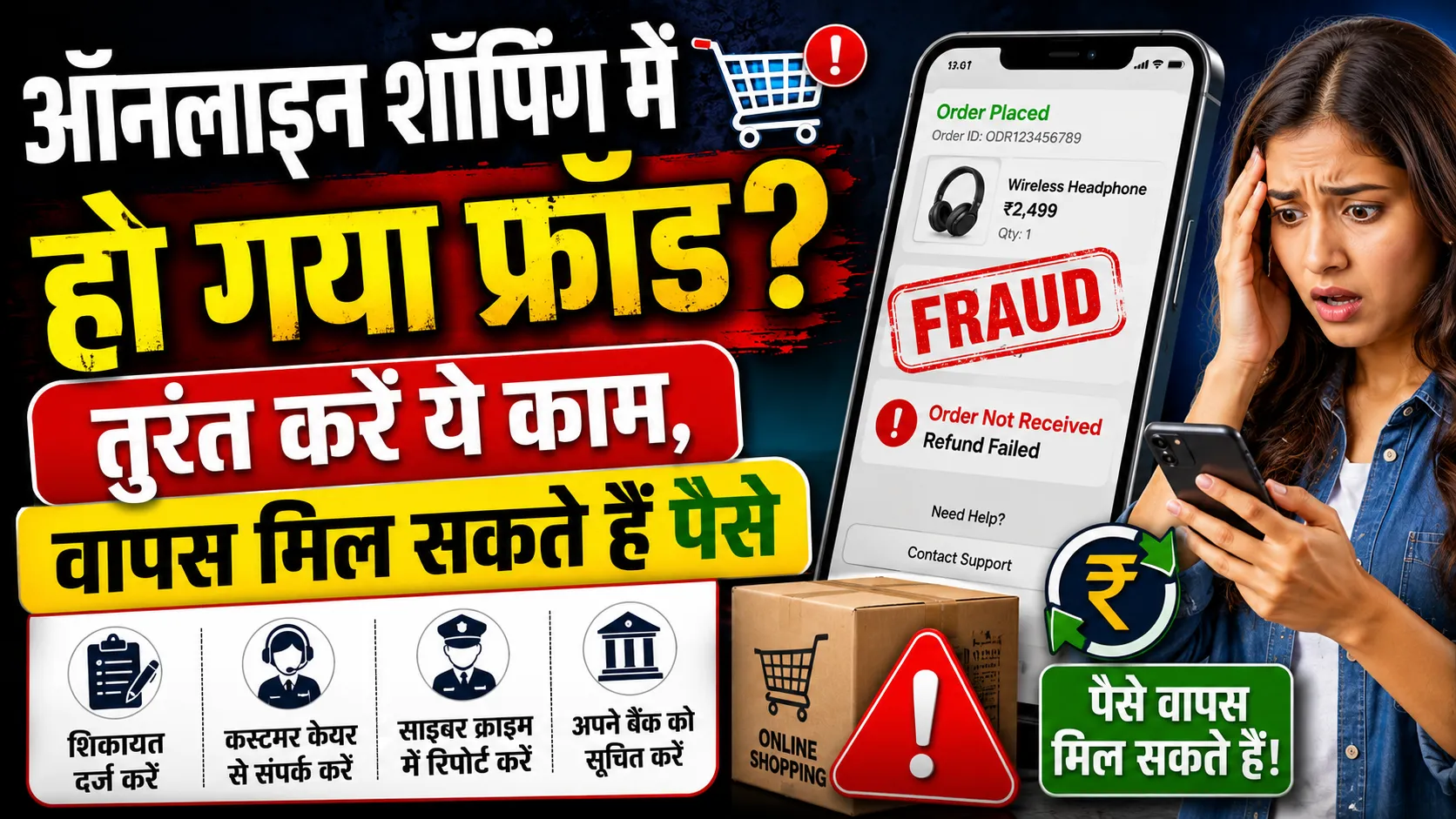
In phishing, fraudsters pose as bank employees, send fake links, and steal your personal information like passwords and OTPs.
In UPI fraud, scammers send a 'collect request' instead of sending money, and as soon as you enter the PIN, money is debited from your account.
Through remote access apps, fraudsters take full control of your phone and monitor your banking activities.
In SIM swap fraud, a duplicate SIM of your number is issued to receive all your OTPs and banking alerts.
New Delhi | Digital banking and UPI have made our lives much easier, but with it, the threat of online fraud has also increased rapidly. Cybercriminals are targeting people every day with new methods and stealing their hard-earned money.
Especially those who are not very familiar with the digital banking process easily fall into the trap of these fraudsters. However, with a little awareness and some precautions, you can keep yourself safe from these online frauds. Let's find out the 5 most common ways cybercriminals are committing fraud and how to avoid them.
Phishing is the most common and oldest method of online fraud. In this, fraudsters send you a message via email, SMS, or social media, posing as an employee of a bank, a government institution, or a reputable company.
These messages often contain tempting offers, warnings to update KYC, fear of account closure, or the lure of winning a prize. The message also includes a link that looks exactly like a genuine website.
The Deception of a Fake Website
As soon as you click on this link, a fake website opens. When you enter sensitive information like your login ID, password, debit card number, or OTP there, it goes directly to the fraudsters.
To avoid this, do not click on any unknown links. Always check the website's URL carefully. A secure website starts with 'https://'.
2. The Lure of UPI Collect Request
UPI has made money transactions very simple, but fraudsters have turned it into a weapon of fraud. Scammers pose as buyers or customer care executives and send you a UPI 'collect request'.
They tell you that you need to enter your UPI PIN to receive money. This is a big lie.
According to a cybersecurity expert, "Always remember, the UPI PIN is used only for sending money or checking the balance; a PIN is never required to receive money."
If someone asks you to enter a PIN to receive money, immediately understand that it is a fraud.
3. Phone Takeover via Remote Access Apps
This is a very dangerous method of fraud. In this, fraudsters ask you to download specific apps under the pretext of helping with a technical issue, a refund, or KYC verification.
These are screen-sharing or remote access apps. Once you install them, the fraudster can see your phone's screen and also control it completely.
After this, they can easily withdraw money from your account by opening your banking app and seeing the password and OTP. Note that no bank or genuine company will ever ask you to download such an app.
4. The Trap of Fake Customer Care
Many times, when people face a problem with a product or service, they search for customer care numbers on Google or social media. Cybercriminals take advantage of this.
They create fake helpline numbers and social media profiles in the name of banks and other companies. When someone calls these numbers, they pose as customer care employees and ask for your OTP, card details, or other personal information under the guise of helping.
How to Avoid This Trap?
The best way to avoid such fraud is to always get the customer care number from the company's official website or verified mobile app.
SIM swap or SIM cloning is a fraud in which fraudsters contact your mobile operator and get a new SIM card issued in your name.
They convince the operator that your old SIM is lost or damaged. As soon as the new SIM is activated, your old SIM is deactivated, and your phone loses its network.
After this, all OTPs, transaction alerts, and calls from the bank start going to the fraudster's new SIM, giving them complete control over your account.
What are the Signs of a SIM Swap?
If your phone's network suddenly disappears for a long time without any reason, it could be a sign of a SIM swap. In such a situation, immediately contact your mobile operator and bank.
How to Keep Yourself Safe from Online Fraud
In the digital world, vigilance is the greatest weapon for safety. Never share your OTP, UPI PIN, password, or full card details with anyone over the phone, email, or message. Always use strong and different passwords and enable two-factor authentication. If you suspect any kind of fraud, immediately file a complaint on the National Cyber Crime Reporting Portal (1930).

 जोगेन्द्र सिंह शेखावत